

circle glass mirror
Understanding Screw Thread Plug Gauges Screw thread plug gauges are essential tools used in the manufacturing and inspection of threaded components. These gauges play a critical role in ensuring that the threads of a screw or bolt meet specific standards and tolerances. With the increasing complexity of engineering designs and the high standards required in various industries, the use of precision measuring tools like screw thread plug gauges has become indispensable. A screw thread plug gauge essentially checks the internal dimensions and profile of threaded holes. Designed to fit specific thread standards, they help determine whether a particular thread is within the acceptable limits of size and form. The gauge consists of a cylindrical body with a threaded portion that mimics the profile of the nominal thread. By engaging the plug gauge in a threaded hole, users can quickly assess the thread’s condition. There are two main types of screw thread plug gauges go gauges and no-go gauges. A go gauge is used to determine whether the threaded hole is large enough to accept a nominal-sized bolt or screw. If the go gauge fits correctly, it indicates that the thread is acceptable for use . On the other hand, the no-go gauge is used to verify that the thread does not exceed the maximum tolerance. If the no-go gauge fits into the thread, it signifies that the hole is oversize, and thus, the component is deemed unacceptable. screw thread plug gauge The importance of screw thread plug gauges extends beyond mere validation of component dimensions. They play a pivotal role in maintaining quality control in manufacturing processes. In industries such as automotive, aerospace, and machinery, even minor deviations in thread dimensions can lead to catastrophic failures. Therefore, ensuring that every threaded component meets rigorous standards is vital for safety and performance. Moreover, screw thread plug gauges are standardized according to international specifications, such as the American National Standards Institute (ANSI) and the International Organization for Standardization (ISO). These standards ensure consistency and reliability, making it easier for manufacturers and quality inspectors to communicate and address issues related to threaded parts. In summary, screw thread plug gauges are indispensable in the domain of precision manufacturing. They provide a reliable means of ensuring that threaded components are produced with the correct dimensions and tolerances, thereby enhancing the overall quality and safety of mechanical assemblies. As technology progresses, the role of these gauges will continue to evolve, but their fundamental purpose will remain the same to deliver accuracy in a world where precision is paramount.
about
circle glass mirror
Replacing Water Cut-off Valves A Comprehensive Guide Water cut-off valves are essential components in any plumbing system. They are designed to stop the flow of water in pipes, allowing for maintenance and repairs without the need to drain the entire system. Over time, these valves can wear out or malfunction, leading to leaks or water supply issues. Replacing a worn or faulty cut-off valve is crucial for maintaining the integrity of your plumbing system. This article will guide you through understanding the importance of water cut-off valves, recognizing signs that they need replacement, and providing a step-by-step process for the replacement. Importance of Water Cut-off Valves Water cut-off valves serve several critical functions in a building's plumbing system. Primarily, they facilitate maintenance by allowing you to isolate sections of the plumbing without shutting off the main water supply. This is particularly important in larger properties where shutting off water can affect multiple fixtures. Additionally, they help in preventing water damage during emergencies or unexpected leaks. By allowing swift action, such as shutting off the water supply to a damaged pipe, cut-off valves play a crucial role in protecting your home from extensive damage and costly repairs. Signs You Need to Replace Your Water Cut-off Valve Identifying when a water cut-off valve needs to be replaced is essential. Here are some common signs to look for 1. Leaking Water If you notice water pooling around the valve or dripping from the valve itself, it is often a sign of wear and can indicate that the valve needs replacing. 2. Difficult to Operate If turning the valve is challenging or it doesn’t close completely, it might be damaged internally and could require replacement. 3. Corrosion or Rust Inspect the valve for signs of corrosion or rust. These can weaken the valve and lead to failure. 4. Unusual Noise Any hissing or whistling sounds coming from the valve or pipe can indicate pressure or flow issues, which may suggest that the valve is failing. 5. Old Age If your valve is significantly outdated, it may be wise to replace it outright, even if there are no immediate signs of failure. Steps to Replace a Water Cut-off Valve Replacing a water cut-off valve may seem daunting at first, but with the right tools and a little know-how, you can tackle this project yourself. Here’s a step-by-step guide replacing water cut off valves Tools and Materials Needed - Adjustable wrench - Pipe wrench - Screwdriver - Replacement valve (ensure it’s compatible with your plumbing) - Teflon tape - Bucket or towels (to catch any leaking water) Instructions 1. Turn off the Main Water Supply Before starting, ensure that the main water supply to your home is completely turned off. 2. Drain the Pipes Open faucets near the valve to drain any remaining water from the pipes. 3. Remove the Old Valve Using the adjustable wrench, loosen the nuts connecting the old valve to the pipes. Carefully remove the valve. Be prepared for some residual water to leak out into the bucket or towels. 4. Clean the Pipe Ends Once the old valve is removed, clean the ends of the pipes to remove any debris or old plumbing tape. 5. Install the New Valve Wrap Teflon tape around the threads of the new valve to ensure a watertight seal. Position the new valve onto the pipes and tighten it using the pipe wrench. Be careful not to overtighten, as this could damage the pipes. 6. Check for Leaks Turn on the main water supply and check for any leaks around the newly installed valve. If leaks are present, tighten the connections slightly, but avoid overtightening. 7. Test the Valve Finally, turn the valve on and off a few times to ensure it operates correctly and that there are no leaks. Conclusion Replacing a water cut-off valve is an important home maintenance task that can help prevent water damage and ensure your plumbing operates efficiently. By recognizing the signs of a failing valve and following the step-by-step replacement process, homeowners can take control of their plumbing systems and enjoy peace of mind. Remember, when in doubt, consulting with a professional plumber is always a wise choice. Investing time and effort into maintaining your plumbing can save you significant costs in the long run.
-

High quality industrial productsagement

High quality industrial products
View Details -

Meet the diverse needs of customers

Meet the diverse needs of customers
View Details -

Strict quality control

Strict quality control
View Details -

Top raw materials

Top raw materials
View Details -

Trusted supplier

Trusted supplier
View Details
Our application


news and information
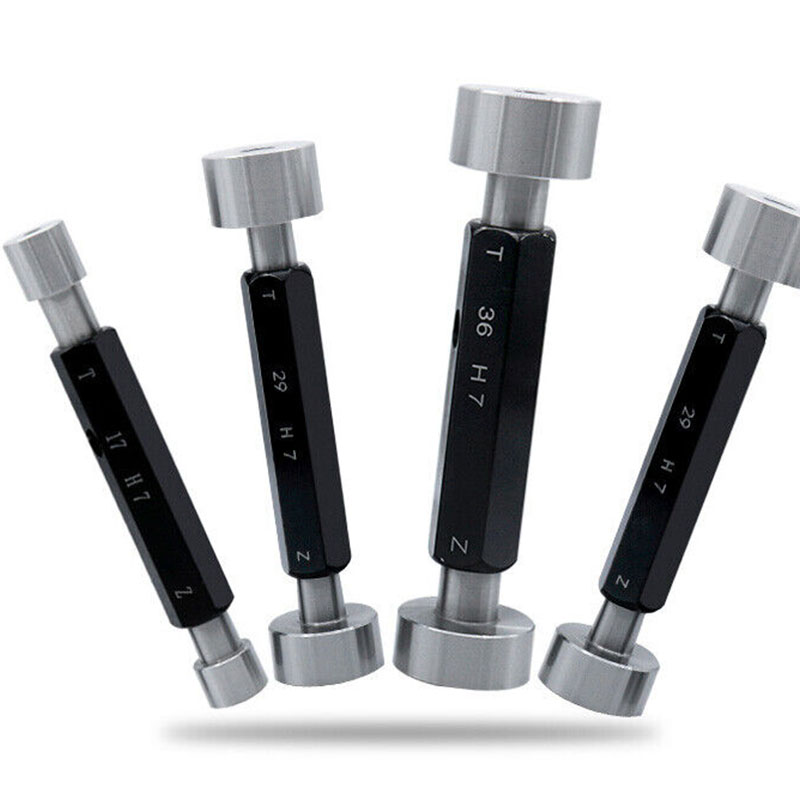
Valvola di ritegno 6an per sistemi idraulici e pneumatici di alta qualità
Il settore industriale moderno richiede soluzioni efficienti per il controllo del flusso di fluidi,
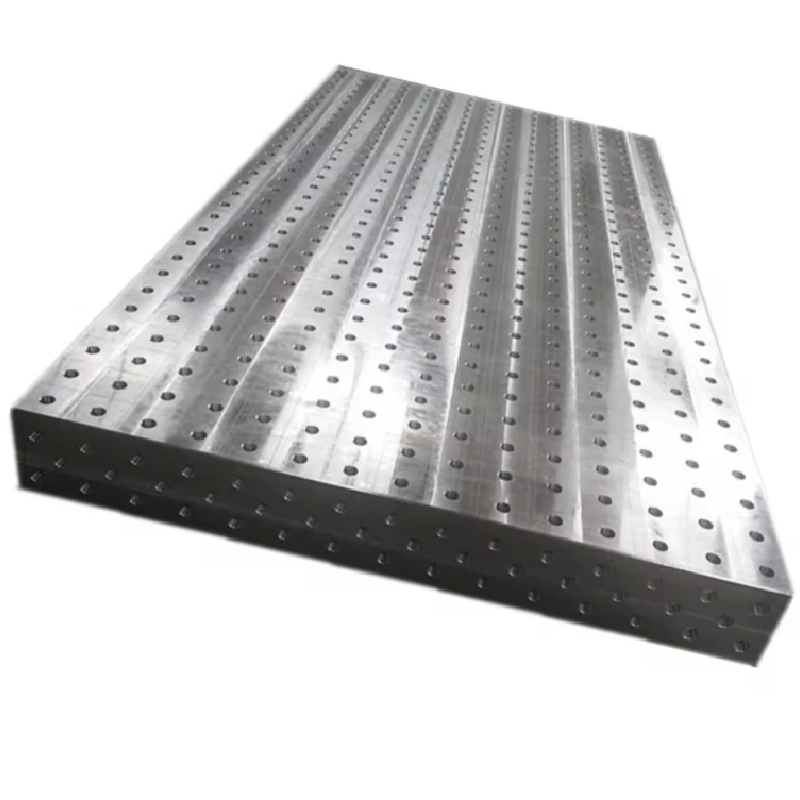
Versatile Welding Table for On-the-Go Fabrication and Efficient Workspace Solutions
The Versatility and Importance of Portable Welding Tables In the world of welding, precision and con
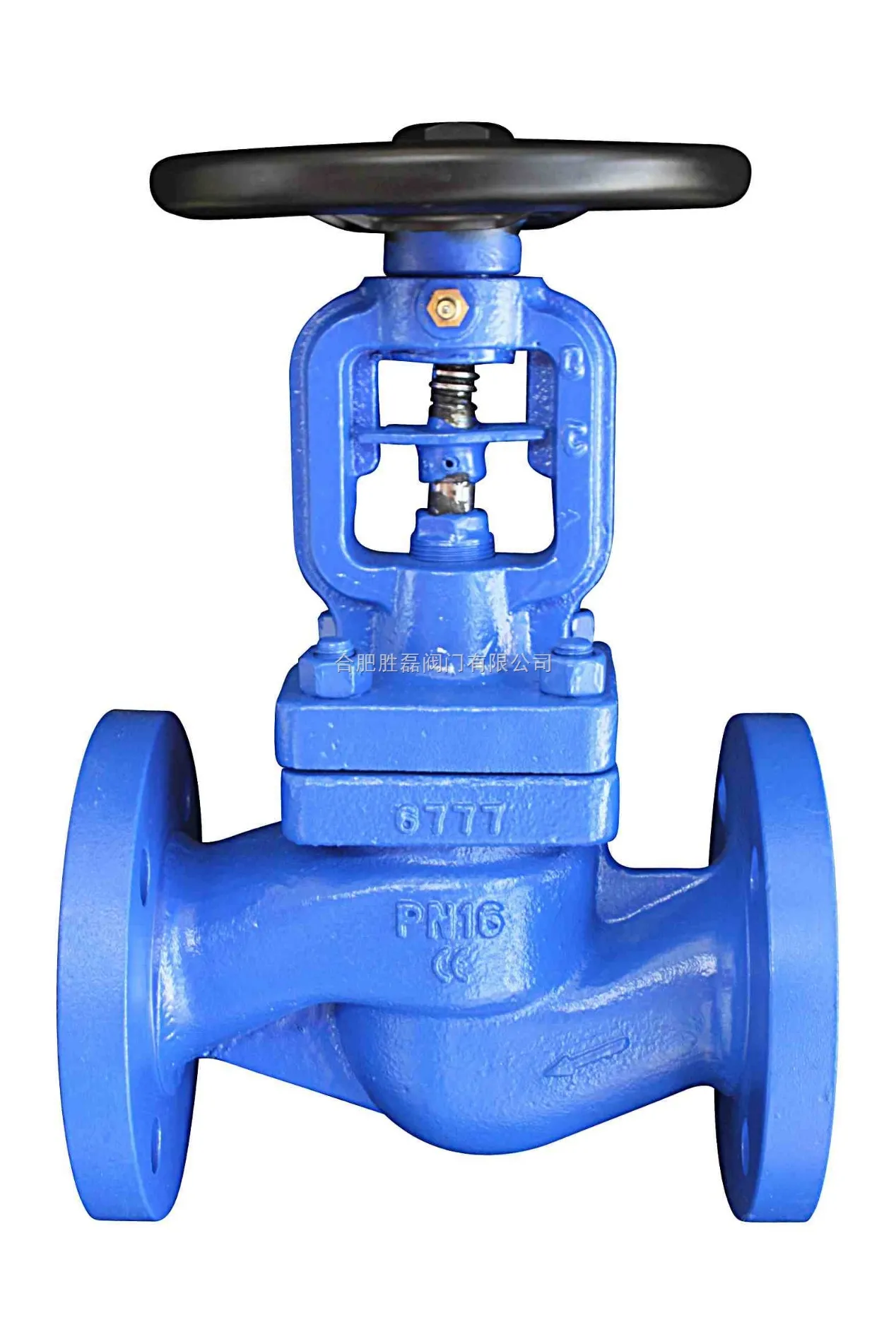
Y-Type Strainer Featuring a Convenient Drain Valve for Efficient Filtration Solutions
Understanding the Y-Type Strainer with Drain Valve Essential for Efficient Fluid Management In vario
 English